

Tummy Tuck

Give yourself back the stomach you once had.
Bringing a child into the world is one of life’s greatest gifts and pregnancy is one of the most beautiful moments in a women’s life. All moms would sacrifice anything for their child, including their bodies. But, for some of us, those changes can be more significant and difficult to accept in the long term. Pregnancy can result in skin excess, stretch marks and weak abdominal muscles that leave a tummy looking rounded long after their babies are born. It can make intimacy a little less comfortable, or stop you from wearing the clothes you want to wear – like a bikini or that little black dress. I was among the unlucky women whose stomach just didn’t snap back after I gave birth to my two beautiful daughters and a tummy tuck helped me take my body back!
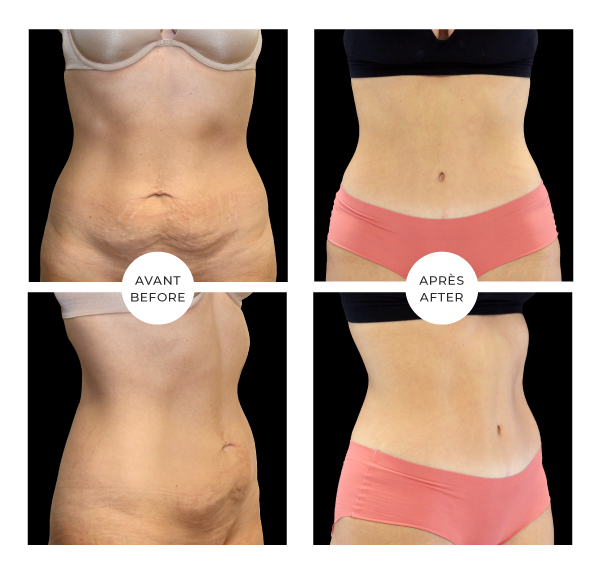
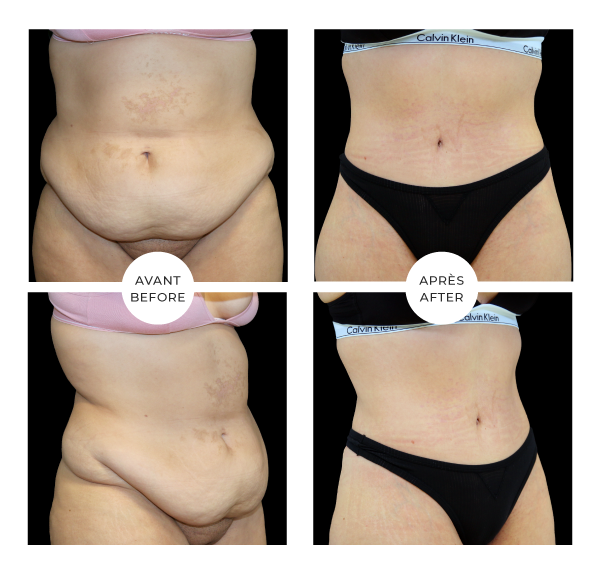
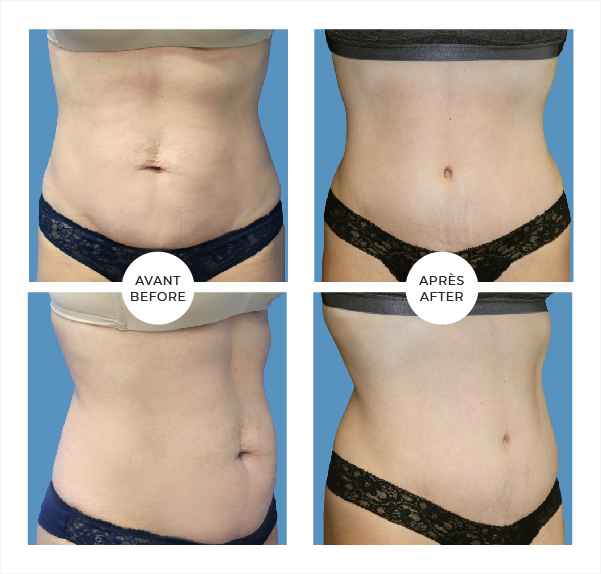
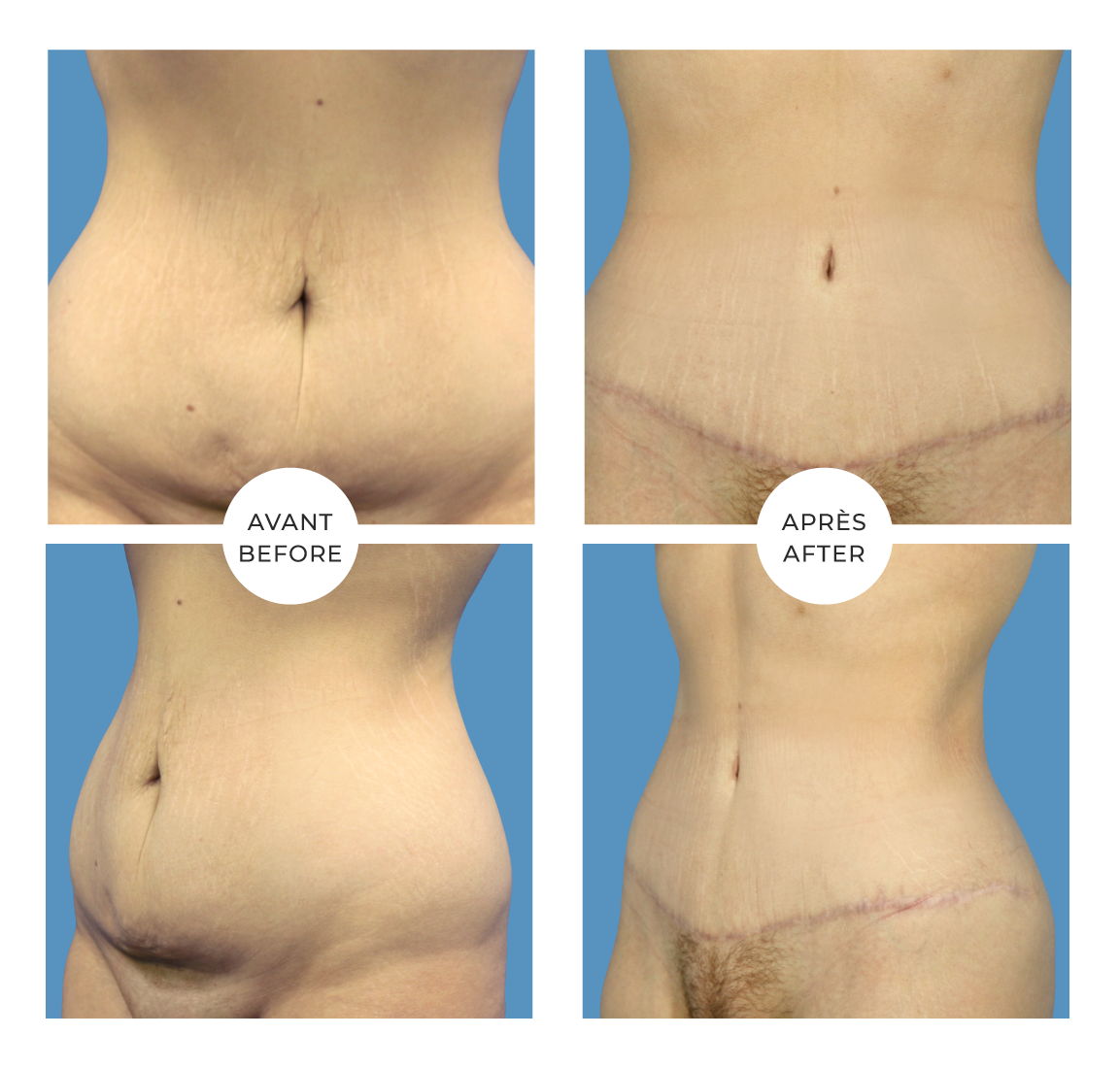
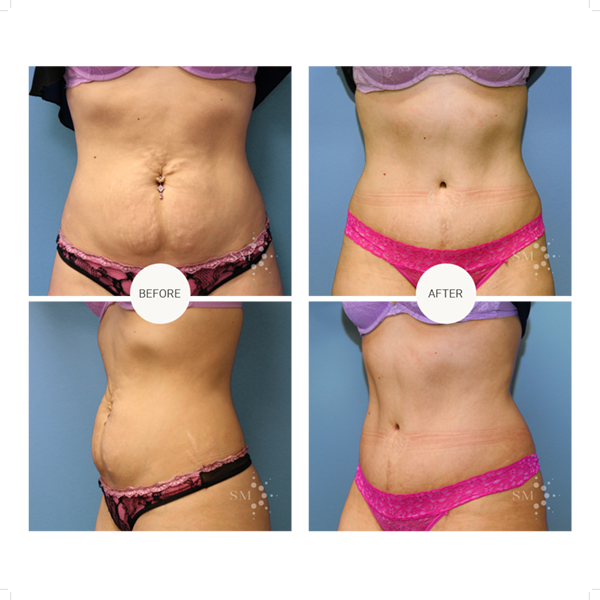
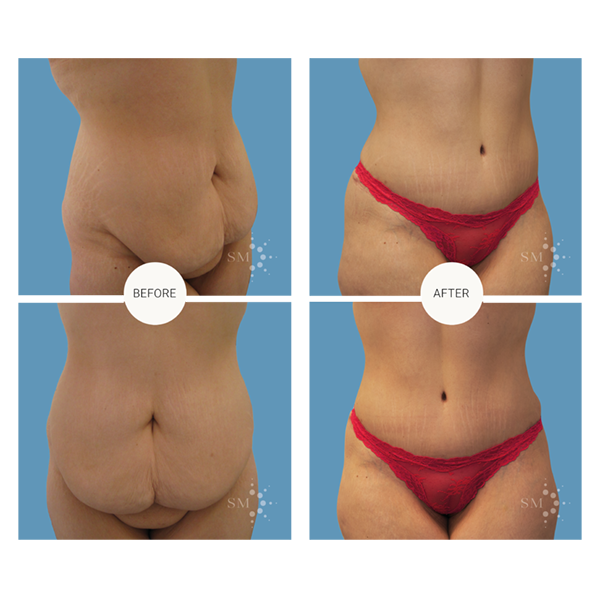
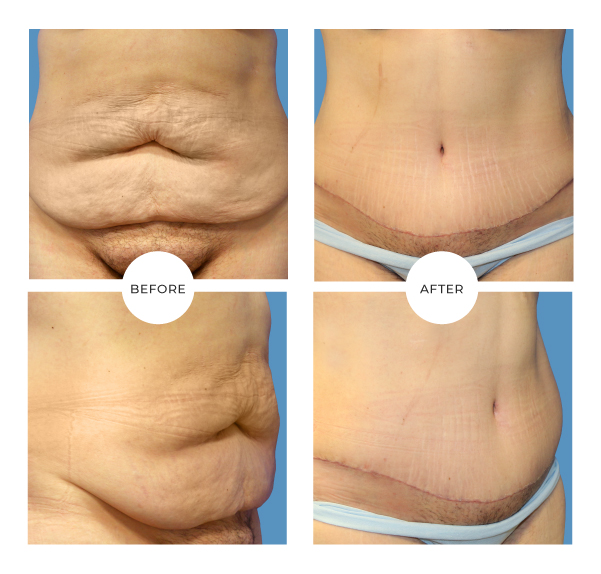
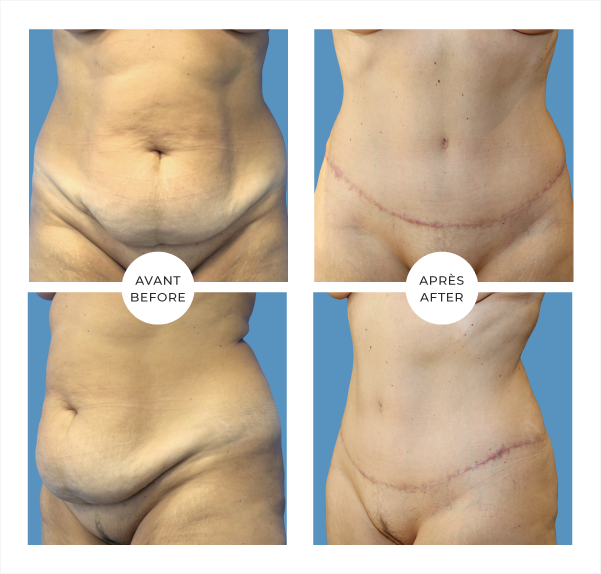
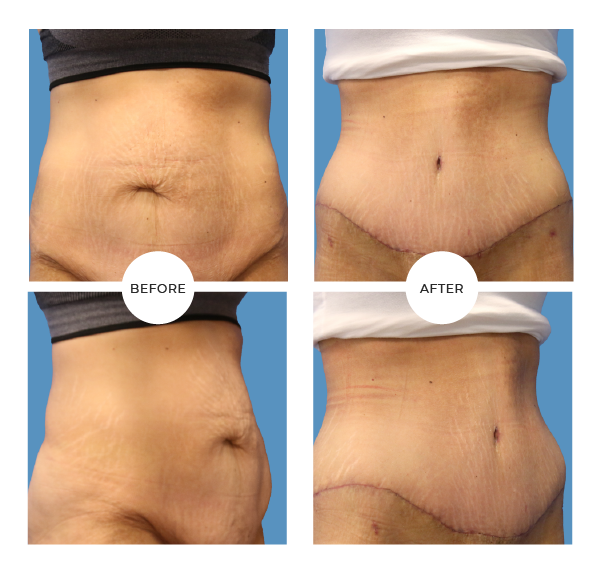
A tummy tuck (or abdominoplasty) is a surgery whose goal is to reverse the changes caused by pregnancy. It’s also one of the procedures performed after a massive weight loss. It includes removal of the extra skin and stretch marks, tightening of the abdominal muscles to restore internal support and reconstruction of the belly button. This body surgery is often combined with liposuction of the love handles to provide an improved contour. Some patients will also combine a tummy tuck with a procedure to rejuvenate their breasts. We call this combination of procedures a “mommy makeover.”
The scar is placed low in the bikini line where it is hidden by your underwear or bikini. The length of the scar varies depending on how much skin needs to be removed, but it typically extends from hip to hip. There is also a discreet scar around the bellybutton. Accepting this scar needs to be reasonable exchange for the improvement that a tummy tuck will provide you. This is a very personal question that I can help you understand better at the time of our consultation.
For some women, with less significant post-pregnancy changes, a mini-tummy tuck may be the right choice. This procedure includes liposuction of the upper abdomen and a small skin excision in the bikini line, resulting in a shorter scar. This procedure does not allow us to tighten the abdominal muscles or move the belly button.
On a personal note, this is one of my favorite operations to perform. It is so rewarding to see the benefits that this operation gives a mom, after she has given so much of herself to her little ones. Combine with liposuction and a breast surgery for a full “mommy makeover”. A tummy tuck is an integral part of reconstruction after massive weight loss, often in combination with a buttock and thigh lift.






Quick facts
How long is the the surgery?
2-3 ½ hours depending on the need for liposuction.
General or local anesthesia?
General anesthesia
Drains?
Yes, I use drains for this operation which are removed in the office around 7-10 days after the procedure.
Painful?
A tummy tuck is a surgery that requires a real investment in your recovery. For women who have had a C-section it feels very similar, as it will hurt to sneeze, cough, and belly laugh. During the first 48 hours, most patients will require strong pain killers.
When can I go home?
Most patients go home on the day of surgery, however we can arrange for nursing care the first night if needed.
When can I shower?
A shower is permitted after the drains are removed.
Recovery time?
Patients should expect to be in bed for the first 48 hours after surgery. Patients are ready to leave the house around 7-10 after surgery for short outings.
When can I go back to work?
2 weeks for an office job, up to 4 weeks for more physical work.
When can I exercise?
I allow my patients to gradually resume physical after 4 weeks.
Testimonial
Dr. Sandra is the best. She has knowledge, compassion, understands what your looking for. Kind, considerate, explains everything. there are not enough words in the dictionary to describe her 100%. You have to met and interact with her and you will know exactly what I am talking about lorem ipsum dolor sit amet.

Want to meet Dr. McGill?
Book a consultation
Additional services